Home › Episodes › Systematic review & meta-analysis

Kind of study

Systematic review & meta-analysis: what this kind of study can — and can't — tell parents

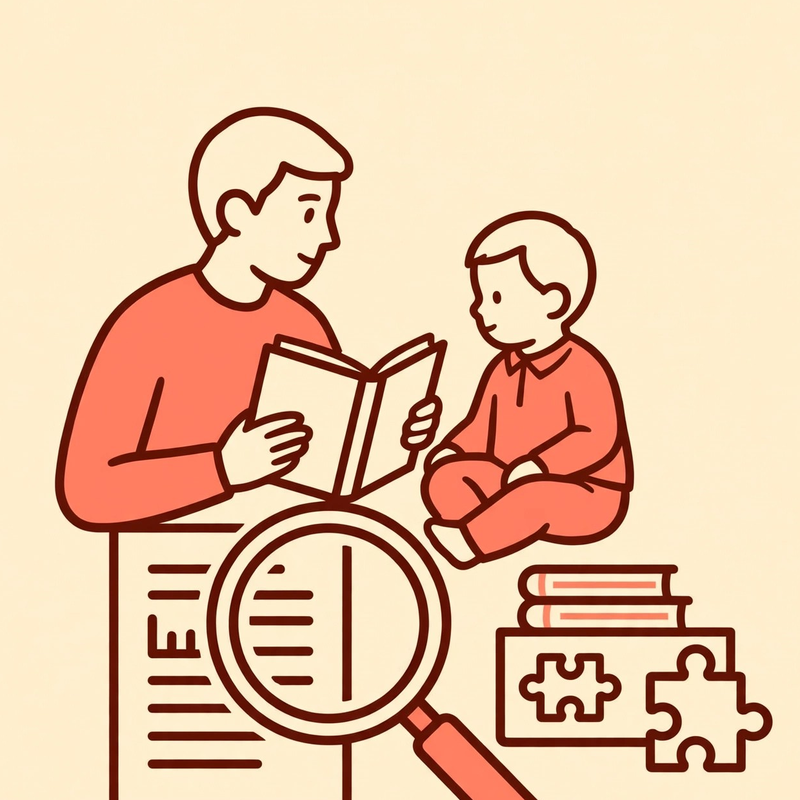
Researchers find every study they can on a question, screen them against set criteria, then statistically combine the results.

What it can show

It gives the broadest available picture of a research area, including how consistent the pattern is across studies.

What it can't

The combined studies are mostly observational, so findings are associations — and it can't set precise personal thresholds, like a safe number of screen minutes.

2 episodes in the launch series use this design:

Episode 11⏱ 3:22 video · 📖 1 min read
Systematic review & meta-analysis Video coming soon

Screen Use at Age 4–6 Hit the Parent-Child Relationship Hardest

Harverson et al., Computers in Human Behavior, 2025

Try tonight: Convert some solo screen time into together time: co-watch, co-play, and talk about what is on the screen while it is on.

Topics: Phones & Screens · DOI ↗

Episode 4⏱ 3:27 video · 📖 1 min read
Systematic review & meta-analysis Video coming soon

Your Phone in Front of Your Baby: What 14,900 Families Showed

Toledo-Vargas et al., JAMA Pediatrics, 2025

Try tonight: Create phone-down windows in the day — floor play, feeding and bath time — with the phone in another room, not just face-down.

Topics: Phones & Screens · DOI ↗

Questions about this design

What is a systematic review & meta-analysis?

Researchers find every study they can on a question, screen them against set criteria, then statistically combine the results.

Can a systematic review & meta-analysis prove cause and effect?

It gives the broadest available picture of a research area, including how consistent the pattern is across studies. The combined studies are mostly observational, so findings are associations — and it can't set precise personal thresholds, like a safe number of screen minutes.

Which Parenting by Science episodes use this design?

Episode 11 — “Screen Use at Age 4–6 Hit the Parent-Child Relationship Hardest” (Harverson et al., Computers in Human Behavior, 2025); Episode 4 — “Your Phone in Front of Your Baby: What 14,900 Families Showed” (Toledo-Vargas et al., JAMA Pediatrics, 2025).